


Combatting Ageism: Awareness Is Not Enough
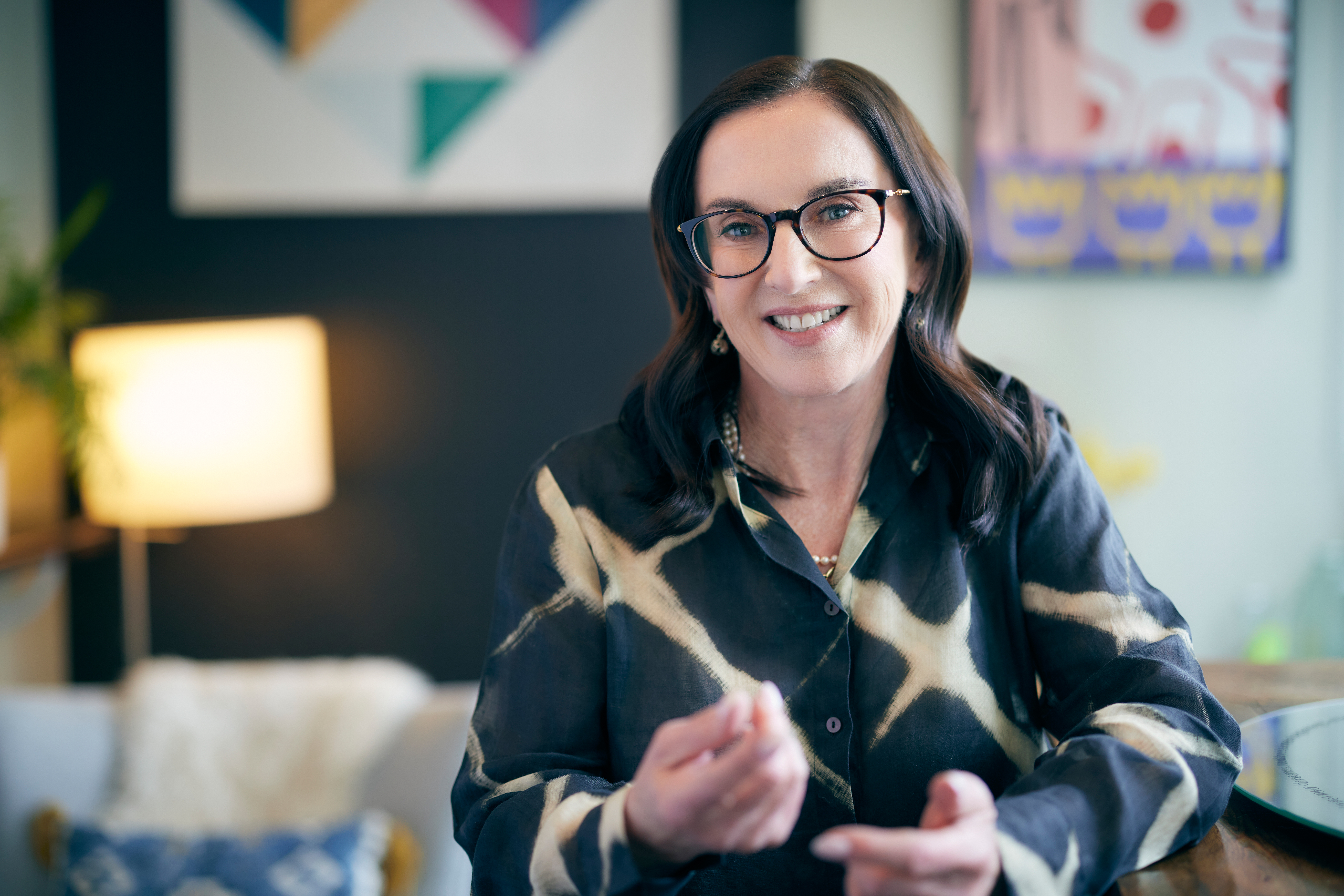
By Dr. Jane Barratt

Ageism is Visible. Accountability is Not.
Look around. Ageism exists in every society. With the young and the old. I see it in policy. In practice. In everyday life. In the way older people are spoken about, and spoken over. It sits inside systems where decisions are made about the box you belong in, and who gets to stay out of it.
My focus here is on what that means for people in later life.
What I have noticed over many years of being in the business of ageing is how quickly we reach for a campaign or an awareness day as if a hashtag might do the work that only real change requires. I have done it too.
Naming something is not the same as changing it
I am not against campaigns. Awareness matters. But we have started to behave as if visibility alone will do the work, as if once enough people nod along, policy will quietly fall into line. It does not.
We often hear that ageism is the last acceptable “ism.” Casual ageist jokes are still mainstream. Older people are still framed as problems to be managed, costs to be contained, rather than citizens with rights and lives still unfolding. But we should be honest. We have not exactly cracked racism, sexism, homophobia or ableism either. Decades of awareness campaigns have not closed the gaps in safety, pay, health, representation or power. Naming the problem is necessary. It is not a plan.
It is nearly five years since the WHO released its Global Report on Ageism, with clear evidence and a road map for action. Since then there have been new slogans, social media days, strategy documents. There have been very few hard changes in law, funding or accountability that older people can point to in their own lives.
At times awareness has been allowed to stand in for action for too long.
So what would combatting ageism actually look like?

It would mean enforceable protections against age discrimination in healthcare not soft guidance. When older people are denied treatments, written off as “too old to benefit,” or never offered certain options in the first place, there would be somewhere real to go with that. Not just a story we tell each other afterwards.
It would mean employment law and mentorship programs do not quietly filter out older candidates, and there are real consequences for employers who side line people in their 50s, 60s and beyond.
It would mean treating older care workers as skilled, essential labour, not something to be squeezed for efficiency. Better pay, training and conditions for the people who hold older people’s lives in their hands.
And it would mean older people in the room where decisions are made. Not brought in at the end as “consulted stakeholders,” but shaping decisions from the start on hospital boards, research ethics committees, in city planning and national policy.
Continue Reading on Jane’s Substack The Arc of Ageing
_________________________________________________________________________
Dr. Jane Barratt is an internationally recognized advisor and non-executive leader with more than three decades of experience in global ageing, health, and social policy and practice.
She has worked with the World Health Organization, the United Nations, governments, academic institutions, industry, and civil-society partners to strengthen health systems and advance the rights and well-being of older people worldwide.
Recognized globally for clarity and authority, her leadership has helped shape public-health agendas and embed dignity and equity at the centre of ageing policy and practice.
Her perspective has been shaped by years inside the rooms where decisions are made and change is resisted. She writes and speaks about what it takes to lead with courage in complex systems — connecting evidence with humanity, and strategy with purpose. Her work bridges policy and practice, insight and action, reminding us that ageing is not a crisis to manage but a lens through which we see who we are.
Dr Jane Barratt has kindly given Gray Panthers permission to republish this article, which first appeared in The Arc of Ageing.


